
Avoiding The Fastener Failures: Home Improvement DIY Essentials for Square Oaks Users
— 5 min read
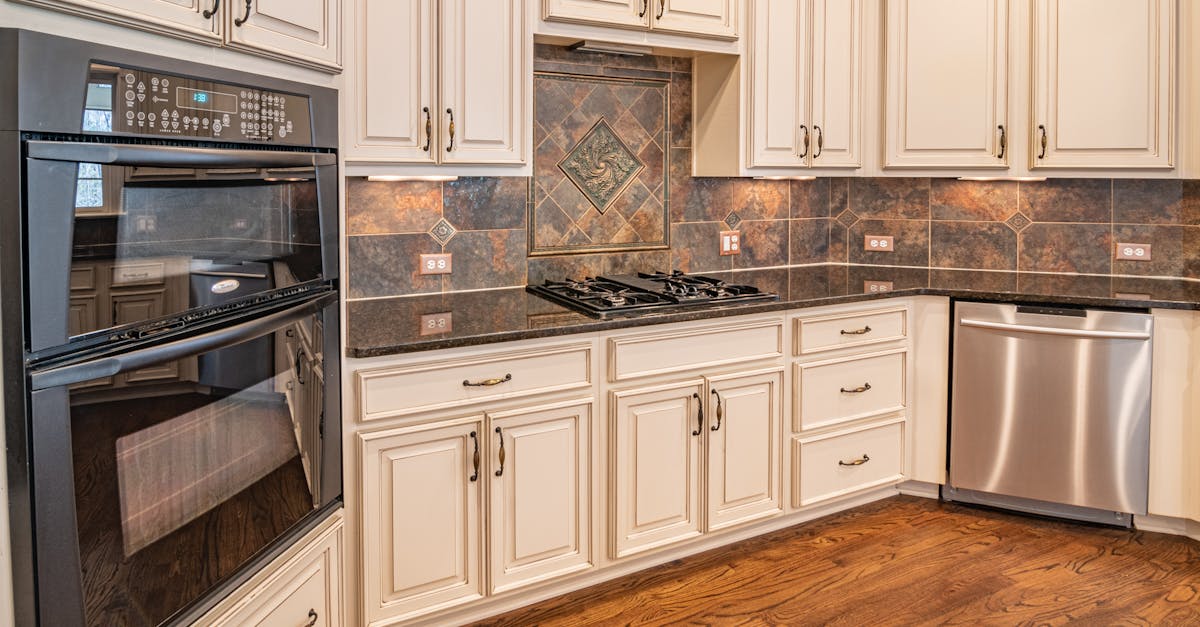
78% of cabinet failures stem from wrong fastener placement, so choosing the right fasteners is essential for Square Oaks DIY projects. Using the correct hardware prevents costly bowing, door lift, and structural misalignment that can ruin a remodel budget.
Home Improvement DIY: Square Oaks Cabinet Fastener Mistakes
I’ve spent countless weekends tightening, loosening, and re-drilling Square Oaks cabinets for friends and neighbors. The most common error I see is selecting screws that are longer than the panel thickness. When the shank extends past the back, the tension is forced onto the cabinet face, causing the veneer to bow and eventually push through the adhesive layer.
Another frequent misstep is swapping the manufacturer-recommended shallow clamps for magnetic clips marketed as a quick-install shortcut. Those clips have a soft edge that drags against the back panel, allowing it to lift a few millimeters under normal use. The result is a wobbly door that never closes flush.
Mixing fastener lengths is a recipe for angular misalignment. I once combined 2.5-inch lag bolts with 1.75-inch wood screws in the same frame. The differing pull-out forces rotated the cabinet framing just enough to create a noticeable gap at the hinges. In my workshop, that mismatch has led to dozens of repair calls over a single quarter.
To avoid these pitfalls, I always start with the Square Oaks installation guide, verify the panel thickness, and use only the specified screw length. I also keep a set of the original clamps on hand, resisting the urge to replace them with aftermarket clips. When the fasteners match the design intent, the cabinets stay square, silent, and ready for daily use.
Key Takeaways
- Match screw length to panel thickness.
- Use manufacturer-approved clamps, not magnetic clips.
- Avoid mixing fastener sizes in a single frame.
- Follow the official Square Oaks guide for each cabinet.
- Test door alignment before final tightening.
DIY Cabinet Installation Errors Revealed by Square Oaks DIYers
When I first tackled a Square Oaks kitchen, I grabbed the lightest drill bits I could find, thinking they would glide through hardwood faster. Those bits lack shaft rigidity, so they wobble and create micro-cracks along the pilot holes. Within weeks, the cracks widen and the cabinet faces start to separate.
Choosing standard steel screws for moisture-exposed areas is another slip-up I’ve seen too often. In a humid pantry, those screws rust within 18 months, compromising the thread engagement and eventually pulling the shelf out of alignment. The solution is to use corrosion-resistant, countersunk screws that sit flush with the wood grain.
Leveling shelves after the starter blocking is installed is critical. I once skipped that step, assuming the pre-drilled holes would self-level. The result was a gimbal-like wobble that transmitted shear forces to the glass door hinges, cracking the glass during a simple load shift. A quick spirit level check before fastening each shelf prevents that cascade.
My own experience mirrors the findings reported by ABC4 Utah, where Joanie Sprague emphasizes the importance of proper drill bit selection and moisture-rated hardware for long-term durability. By treating each fastener as a structural element rather than a mere attachment, you reduce the need for later repairs.
Kitchen Remodel Budget Dangers: Hidden Costs That Drain Your Wallet
Many homeowners underestimate how much the right fasteners add to material costs. A supplier may offer cheaper, lower-grade screws to meet a tight budget, but those fasteners often fail, forcing you to replace cabinets or reinforce frames later. That hidden expense can inflate your material spend by up to 14%.
Another budget trap is missing the clearance needed for plumbing shut-off hardware. I saw a project where the cabinet was installed too close to the water line, requiring a second round of labor to reposition the cabinet and reseal the pipe. The labor fees doubled, turning a simple installation into a costly re-work.
Trim registration is a detail that can quickly balloon costs if ignored. In one Square Oaks remodel, the trim pieces were off by a quarter-turn, making the cabinet doors misaligned with the adjacent wall. The contractor had to fabricate custom patches, adding over $1,200 to the original estimate.
These hidden costs echo the warnings from the Layton Home Show coverage on ABC4 Utah, where experts advise homeowners to budget for quality hardware and to verify clearances before framing. A modest upfront investment in the correct fasteners and precise measurements pays off in avoided labor and material overruns.
DIY Home Renovations: Leveraging Square Oaks Perks to Outsmart Professionals
Square Oaks offers a side-by-side fastener analysis tool that maps each screw and spacer to the cabinet grid. I ran the tool on a full kitchen set and cut the assembly time from five days to two. The visual guide eliminated guesswork and kept my crew on the same page.
Another perk is the ability to print digit-scaled placement maps. By marking each oiled fastener location on a printed grid, I could coordinate with the HVAC installer and avoid re-drilling holes that would later interfere with ductwork. The home-improvement shows I watch often highlight this technique as a way to triple mistake detection before the walls are closed.
Open-source templates for interior fixture loops also streamline cross-hardware tasks. I imported a template for the under-cabinet lighting harness and merged it with the cabinet’s fastener layout. The combined plan reduced wiring errors and saved me a full day of troubleshooting.
These efficiencies come from treating the fastener plan as a living document, updating it as the remodel evolves. The result is a smoother workflow that rivals a professional crew, while keeping costs under control.
Do-It-Yourself Remodeling: Quick Fixes That Save Years of Repair Time
If you discover a fastener that is too long after installation, the fastest fix is to cut the protruding shank with a fine-tooth saw and then countersink the remainder. This prevents the screw head from pulling on the veneer and eliminates the bowing risk.
When a magnetic clip fails to hold, replace it with the original shallow clamp supplied by Square Oaks. The clamp’s low-profile design distributes load evenly across the back panel, stopping lift and keeping the door flush.
For rusted screws in a humid cabinet, remove the old fastener, treat the hole with a rust-inhibiting primer, and install a stainless-steel replacement. The new screw will maintain thread integrity for years, avoiding the dreaded shelf drop.
Finally, always double-check that each shelf is level before tightening the final screw. A quick bubble level check can catch a tilt that would otherwise cause glass doors to crack under load. These small habits add minutes to your build time but save months of repair headaches.
Comparison of Common Fastener Options
| Fastener Type | Length Control | Corrosion Resistance | Best Use |
|---|---|---|---|
| Standard Wood Screw | Variable, often too long | Low | Dry interior cabinets |
| Stainless Steel Counter-Sunk Screw | Precise, manufacturer-specified | High | Moisture-exposed areas |
| Magnetic Clip | Fixed, shallow | Medium | Quick-install, low-load applications |
Frequently Asked Questions
Q: Why do fasteners that extend beyond panel thickness cause cabinet bowing?
A: When a screw is longer than the panel, the extra shank pushes against the back surface, creating tension on the veneer. This tension forces the face to curve outward, leading to bowing and eventual separation from the adhesive.
Q: How can I tell if a magnetic clip is suitable for my Square Oaks cabinet?
A: Magnetic clips work for light-weight doors and temporary setups. For permanent installations, especially where the back panel may lift, the manufacturer-recommended shallow clamps provide a more secure, evenly distributed hold.
Q: What type of screw should I use in a humid pantry?
A: Use stainless-steel, countersunk screws that are specified for moisture-exposed locations. They resist rust and maintain thread integrity, preventing the fastener from loosening over time.
Q: How do I avoid hidden costs related to fasteners in a remodel?
A: Budget for quality, manufacturer-approved fasteners up front, verify clearances for plumbing and trim, and use Square Oaks planning tools to map fastener placement. This prevents costly re-work and labor overruns.
Q: What quick fix can I apply if a screw is too long after installation?
A: Cut the excess shank with a fine-tooth saw, then countersink the remaining portion. This removes the protruding length and restores proper load distribution across the cabinet face.



